
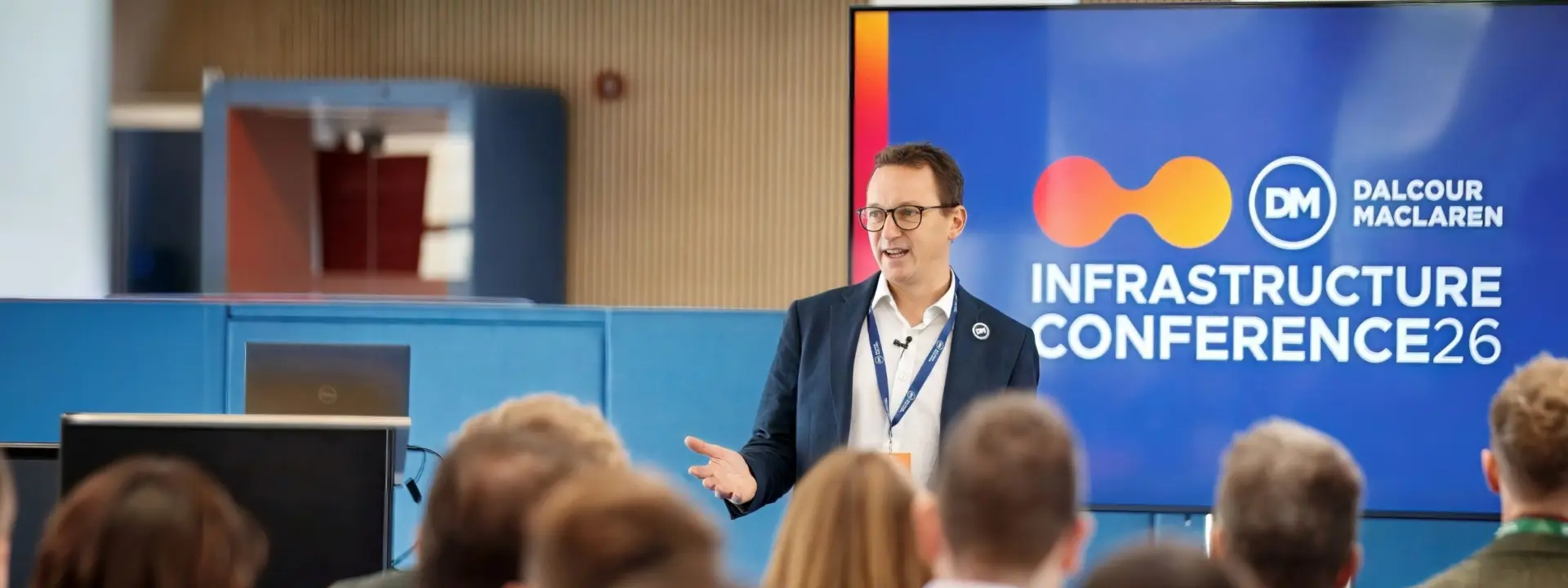
The Dalcour Maclaren Infrastructure Conference 2026
21 September 2026Key themes and takeaways
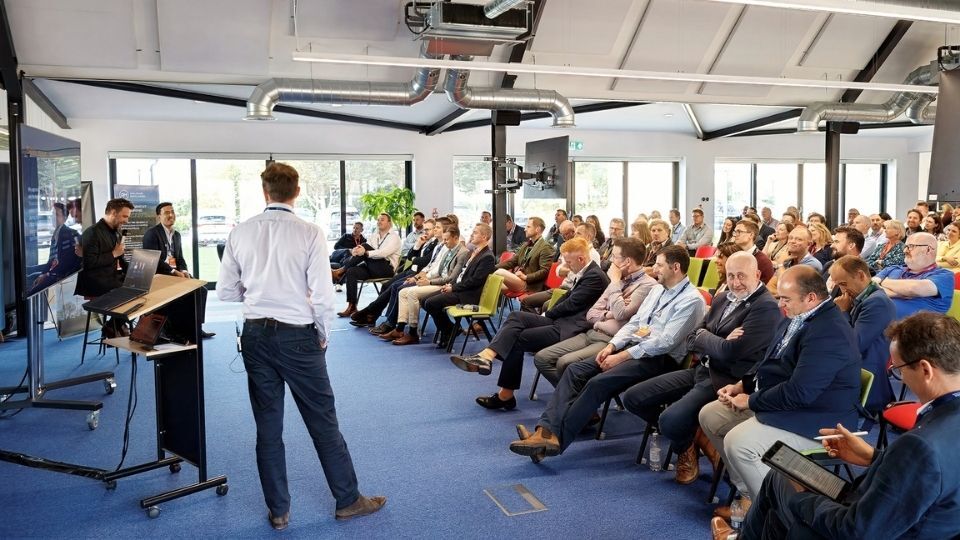
The 2026 Dalcour Maclaren Infrastructure Conference (DMIC) brought together experts from organisations building the biggest ever infrastructure projects and programmes across the UK and Ireland for a day of straight-talking discussion on what it will take to deliver the next generation of energy, water and transport investment.
The message from the room was clear: the opportunity is huge, but the industry cannot keep doing things the way it always has. If we're going to deliver at the scale and pace required, we need to embrace technology, make braver decisions, reduce uncertainty and work together more effectively than ever before.
Mapping the Future: AI, Data & Spatial Intelligence
Speakers: Yasmin Podesta, Steve Wallace and Tim Donoyou
AI and spatial intelligence was the topic for opening the conference, with many seeing this as the biggest technological shift the sector has experienced in decades.
Key discussion points
- AI has the potential to fundamentally change how infrastructure projects are planned and delivered.
- Poor data will lead to poor decisions. Trusted datasets and governance are non-negotiable.
- Technology won't replace expertise. The winners will be organisations that combine both.
- The industry must start thinking now about how future professionals develop judgement, experience and critical thinking.
Planning Reform: What Happens Next?
Speakers: Catherine Howard and Natasha Hyde, HSF Kramer LLP
The discussion moved beyond what the legislation says and focused on what it actually means in practice.
Key discussion points
- The Planning and Infrastructure Act 2025 presents real opportunities to streamline delivery.
- However, changing the rules alone won't solve the UK's infrastructure challenge.
- The industry must be prepared to use the flexibility being created.
- Success will require confidence, consistency and a greater willingness to get infrastructure built.
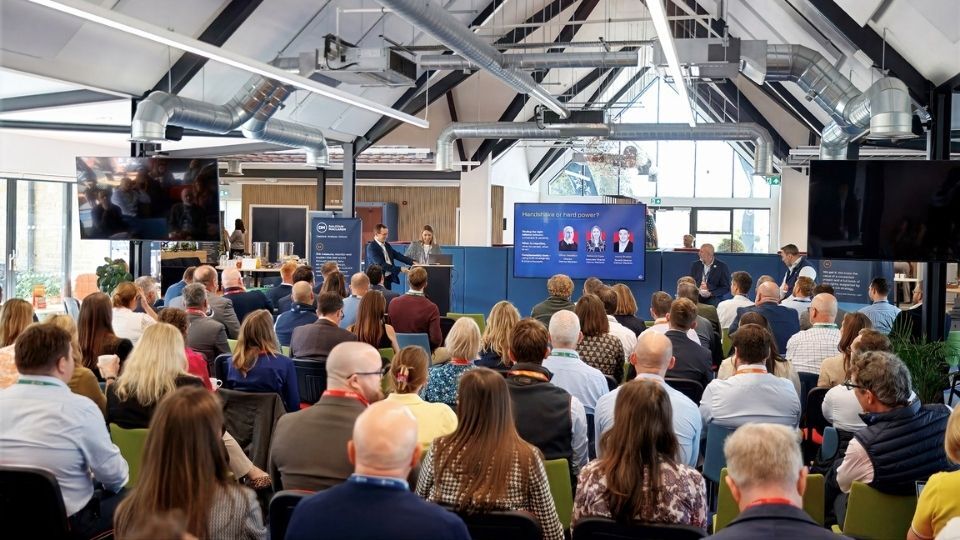
Handshake or Hard Powers?
Speakers: Rebecca Kay, Oliver Heselton and Harry Stubbs
One of the liveliest debates of the day tackled a question every infrastructure promoter eventually faces: when is collaboration enough, and when do statutory powers become necessary?
Key discussion points
- Every project is different.
- Relationships remain critical, but so does delivery certainty.
- Understanding different stakeholder risk appetites is often the difference between momentum and delay.
- The best outcomes come from balancing pragmatism, trust and commercial reality.
Keynote Address: Unlocking Major Projects During a Capacity Crisis
Speaker: Rt Hon Lord Adonis
Drawing on lessons from HS2 and other major programmes, Lord Adonis argued that political uncertainty, policy changes and inconsistent commitment have often caused more damage than the planning process itself.
Key discussion points
- Infrastructure requires long-term political commitment.
- Stop-start decision making is one of the biggest contributing factors to cost escalation.
- Greater certainty would unlock investment and delivery at a far greater scale.
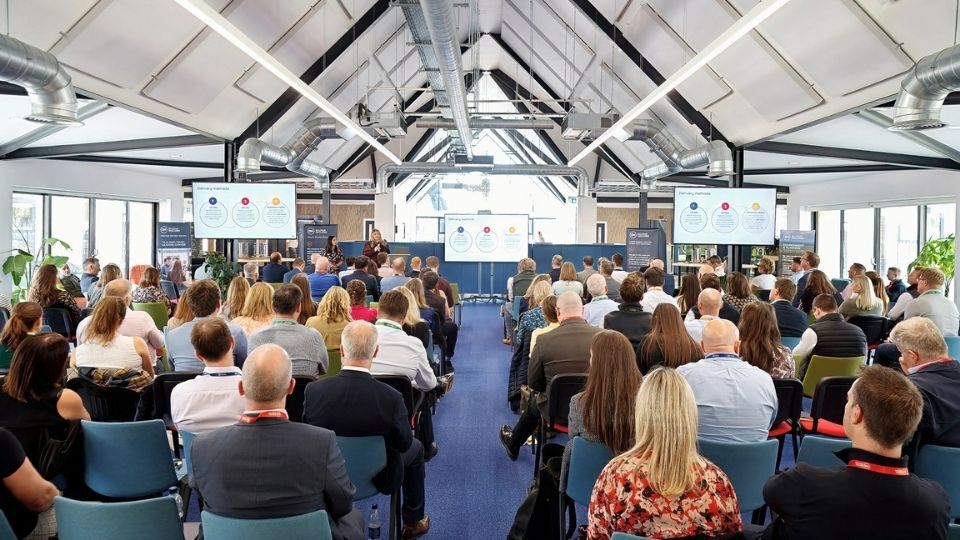
Beyond BNG: The Future of Environmental Delivery
Speakers: Alexandra Wadia-Knowles and Lexi Lloyd
Key discussion points
- Environmental Delivery Plans (EDP’s) could provide a more strategic approach to environmental mitigation.
- Biodiversity Net Gain requirements for NSIP’s will become increasingly important from November 2026.
- Early environmental input remains critical to avoiding delays and achieving positive outcomes.
- Success will depend on collaboration, realistic planning and long-term stewardship rather than simple compliance.
Fewer Requirements, Higher Expectations
Speakers: Beth Motley and Jade Garner
This session challenged the idea that reducing statutory consultation requirements automatically makes projects easier.
Key discussion points
- Communities still expect to be heard.
- Trust and transparency remain critical.
- Better engagement is about quality, not quantity.
- The projects that succeed will engage the right stakeholders at the right time with the right conversations
Signed, Sealed… Delivered?
Speakers: Simon Hinchliffe, Ed Cheng and Oli Treasure
The final session delivered a simple but important reminder: Getting consent is often seen as the hard part. In reality, many of the biggest delivery challenges start afterwards.
Key discussion points
- Post-consent obligations remain significant.
- Land rights, planning requirements and stakeholder coordination can all impact delivery.
- Success should be measured by infrastructure built and operating, not approvals framed on a wall.
The big takeaways from our conference
1. The opportunity is enormous - Investment across energy, water and transport is growing at a level the industry has not seen for years.
2. The industry needs more certainty - Projects move faster when decision-making is consistent and long-term commitments are maintained.
3. Be bold - The reforms, technologies and opportunities are there. The question is whether the industry is prepared to make the most of them.
4. Technology is an enabler, not a replacement - AI can accelerate delivery, but expertise, judgement and experience remain irreplaceable.
5. Collaboration still wins - Whether discussing land, planning, environment or stakeholder engagement, strong relationships remain at the heart of successful infrastructure delivery.
Final reflection
The strongest message from the day wasn't about legislation, technology or policy. It was that the sector faces its biggest opportunities and challenges together.
The atmosphere throughout the conference was lively, practical and refreshingly honest. Our clients valued the chance to debate big issues with peers, challenge conventional thinking and share experiences in a room full of people focused on the same goal: delivering the infrastructure the UK needs, faster, smarter and with greater confidence than ever before.
Author


